
Will I finish the thesis or will the thesis finish me?
Dear academic weapons and academic victims,
While I had a lot of fun in Dublin, I did also write one (1) whole thesis during my time there. If you are doing an exchange as part of the biomedicine bachelor’s course, you’ll be doing the same, and this blog is all about the most important tips to keep in mind for the sake of your thesis and your sanity.
Setting up the exchange:
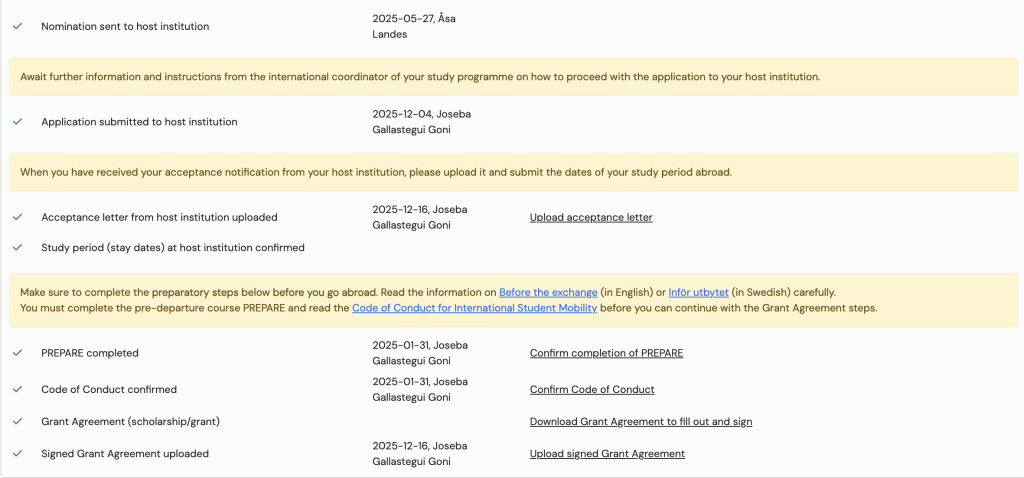
Before all the thesis even starts, the first step is making sure you can go on exchange. It’s very important that once you have been nominated for an exchange at a partner university, you fill in the “mobility online” website (the same website where you submitted your exchange application). If the portal has not yet opened, check regularly until it has. Once you have filled it in, you will obtain a “learning agreement”. Send it to the exchange coordinators at KI as well as your chosen partner university to finish.
If you have any questions during the process, email the KI exchange coordinator or tune into the “exchange kick-off event” to clarify any of your doubts there. Finally, once the mobility online page is filled in and your leaning agreement is signed, confirm with the exchange coordinator at KI that your insurance is ready and you are all good to go. Nothing says “exciting new chapter” like paperwork and beaurocratic anxiety!
Choosing the right lab:
This one is so much tricker than you think, and honestly luck also has a hand in it. Truth is, the lab you join will basically dictate your thesis experience, and to a large extent, what your thesis will look like (no pressure at all). When picking a lab I would really recommend:
- Dont get hung up on a topic: While we all have favorite research areas, I wouldn’t narrow my scope too much by sticking strictly to one thing. Other factors, like mentorship and the techniques of the project, will dictate your experience much more than the research area.
- Go off recommendations: If you can get another undergrad to honestly recommend a lab, you probably have a golden ticket to a good thesis experience (this is the academia equivalent of insider trading). If you are going abroad this might be tricky, so instead ask the reddit page of the university or get the PI to put you in contact with any current or past students before joining the lab. You can also email the students from previous exchange reports to see if they can recommend a lab.
- Choose the well-detailed project: I would put a gold star on any projects that have clear, well-defined goals, time frames, techniques, supervisors and contingency plans. I’d also put a fat red flag on any project descriptions that expect you to yolo or have big ambiguous time frames like “reading” weeks or something like that. Some students in my cohort started experiments the first week, while it took others two months to get the ball rolling.
- Clarify expectations: When you meet your PI/supervisor make sure your expectations of each other match. Can/must you work weekends? Will there be lab outings? Are you invited to the conferences? Will you present at lab meetings? How closely will you work with your supervisor? Are you allowed to work alone? Make a short list of things that are important for you and make sure there are no surprises when you show up at the lab.
Writing is free, re-writing is too:
Start writing as soon as you can. Write your intro as you read papers on your topic, and write your materials and methods as you get your protocols. Future you will be deeply grateful (possibly emotional). You’ll change things as you go on, but it’ll feel much more natural than doing everything in one go, and it’ll help you understand what you’re doing as well. You’ll probaby have to cram your results and discussion at the end, so at least have the other parts squared away before that.
Remember to ask!
It’s important that you’re not afraid to ask for things. Ask for meetings, supervision during experiments, reagents you are running out of, more work, corrections on your drafts, etc. My supervisor wasn’t great at telepathy, so I found myself repeatedly stuck until I learned to ask for help. Everyone else in the lab will be busy with their own work. Don’t expect them to also remember yours. Make their life easy by being on top of it and asking for things in advance.
Free trials galore:
If your lab can’t give you access to certain softwares, or it is taking a while to get access, remember they all have free trials. I’m thinking about graphpad prism and biorender specifically, but I’m sure others do too.
Log EVERYTHING:
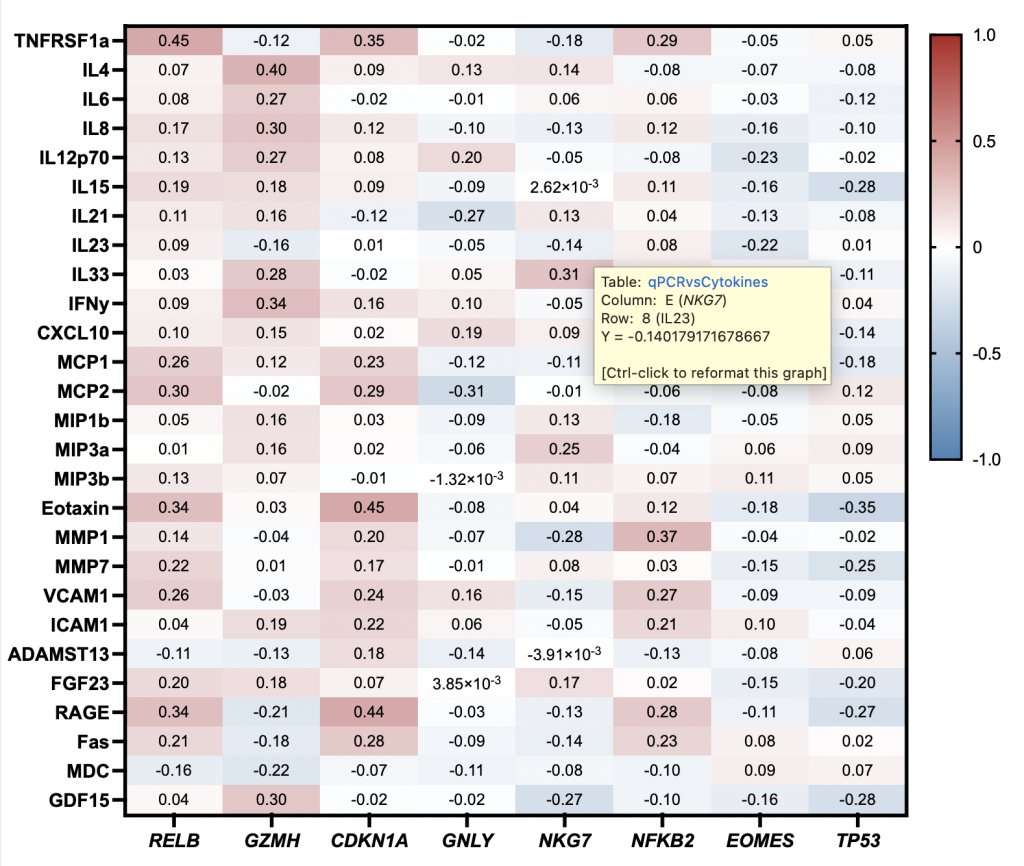
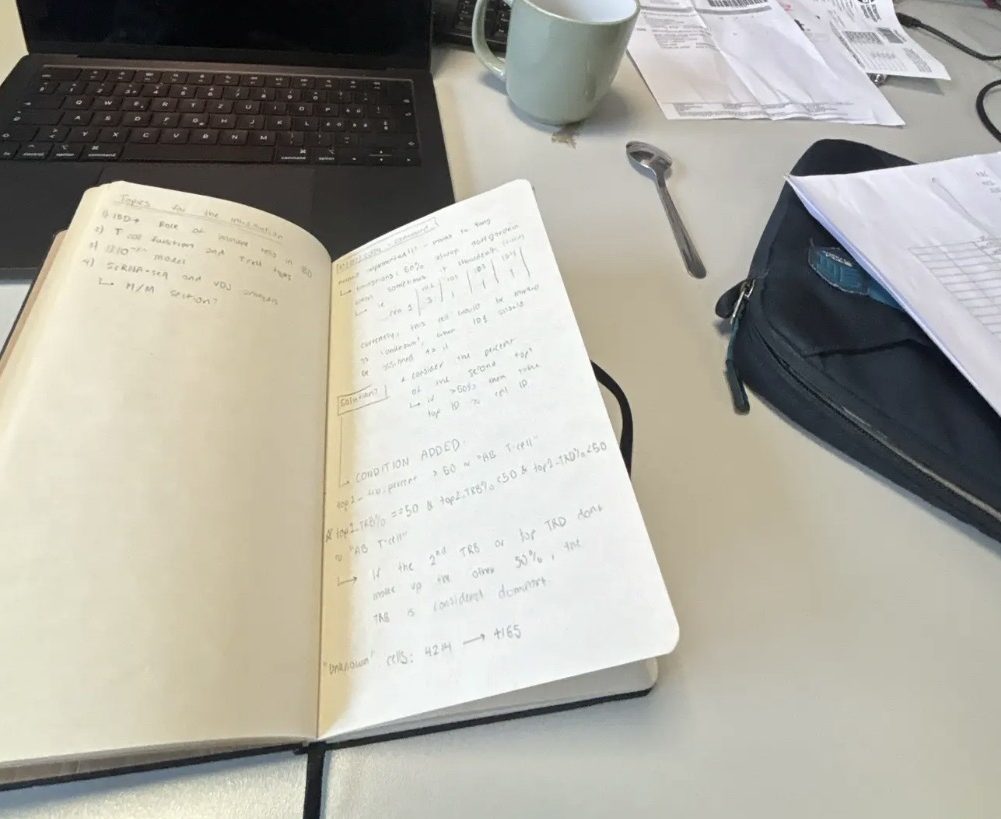
Keep a detailed lab notebook with what you’ve done and what might’ve gone wrong. It will help immensely when you’re doing your write-up, especially if your results look fruky (which they will). Also make sure to keep backup versions of your scripts and excel on an external platform, I backed mine up to the cloud every friday and it quite literally saved my project at one point.
Anyways, thats the extent of my academic wisdom. Feel free to email if you have any hot pressing questions. And remember that no one’s bachelors thesis has won a nobel prize.
Huzzaa,
Joseba

0 kommentarer